The TL;DR
Xbox head Phil Spencer is retiring, and Xbox President Sarah Bond is exiting Microsoft. To replace Spencer, Microsoft has appointed Asha Sharma—a former Meta and Instacart executive who most recently led Microsoft's CoreAI division—as the new CEO of Microsoft Gaming. The decision to place an AI specialist at the helm of Xbox has sparked massive online debate, leaving gamers wondering: does this mark the end of traditional Xbox consoles, or is it a strategic masterstroke to modernize the brand?
The Sharma Strategy rests on three high-stakes pillars:
- Great Games: Re-centering creative excellence through a massive portfolio of 40 studios.
- Return to Console: A corrective move to restore the "walled garden" after years of cross-platform erosion.
- The Future of Play: Leveraging AI as a development engine to slash production costs and reinvent player engagement.
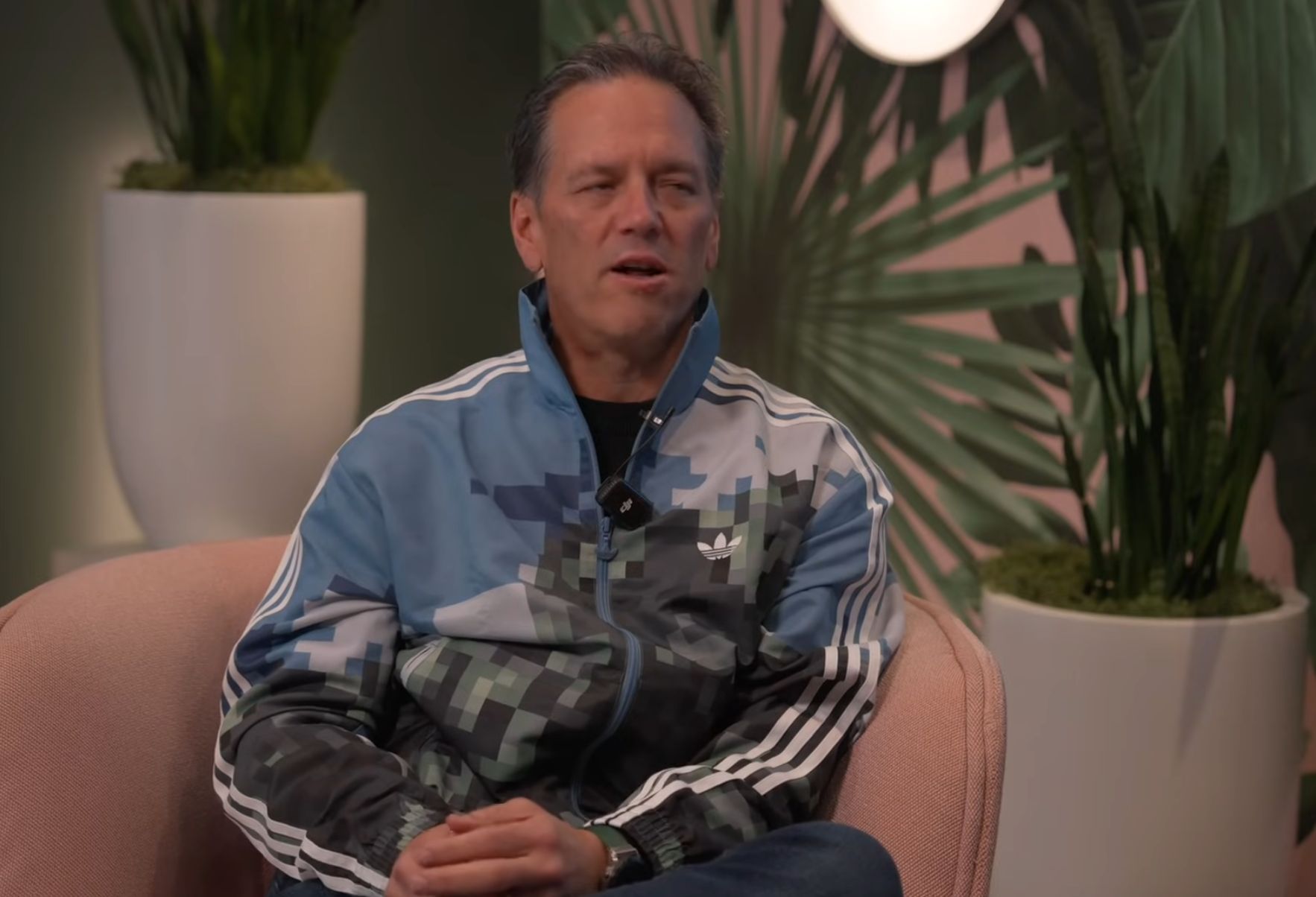
For years, Phil Spencer was the industry’s favorite insider—the leader who wore graphic tees on stage and famously logged 23 work-weeks’ worth of playtime in a single year. But the retirement of "P3" signals that the C-suite at Redmond is tired of being in third place.
The transition is jarring. We are moving from a leader who speaks "fluent gamer" to one who speaks the language of the 42nd floor. How does a division go from a leader who lived in the trenches to an executive from CoreAI? The curiosity isn't just professional; for fans who have invested decades into the ecosystem, it’s existential.
Meet Asha Sharma: The AI Architect
Asha Sharma is an "unusual" hire only if you think Microsoft is still just a "games company." With a pedigree at Meta, a stint as COO of Instacart where she focused on IPO-level profitability, and most recently as President of CoreAI, Sharma is a platform specialist.
For those doubting her "operational rigor," look no further than the DeepSeek Incident. When the industry was rocked by the rapid emergence of China's DeepSeek model, Sharma led 100 engineers in a 24/7 sprint to respond to Satya Nadella’s demands, testing and releasing a version for Azure customers within days. She isn't here to play; she’s here to scale.
"My first job is simple: understand what makes this work and protect it." — Asha Sharma
The "Soulless AI Slop"
The primary anxiety in the "Redmond" corridors is that an AI architect will replace human artists with algorithms. Sharma addressed this head-on, promising to avoid "soulless AI slop." However, her vision for AI is deeply tied to the bottom line—using models to streamline the bloated costs of modern AAA development.
| AI as an Enabler (The Sharma Plan) | AI as a Replacement (The Fan Fear) |
|---|---|
| Tooling: Speeding up prototyping and world-building. | Asset Replacement: Mass-generating dialogue without human oversight. |
| Accessibility: Real-time translation and multimodal interfaces. | Design Atrophy: Algorithms dictating narrative beats for "engagement." |
| Operational Efficiency: Using AI models to cut back on hiring for massive world-building tasks. | Monetization Creep: AI-optimized pricing and "pay-to-progress" loops. |
If Spencer’s retirement was a planned transition, Sarah Bond’s exit is a "red flag." As the architect of Game Pass and the executive spearheading next-gen Xbox hardware, her departure on the same day as Spencer’s retirement suggests she was passed over for the top spot.
Bond’s resignation is a blow to community trust. Many saw her as the bridge between the "gamer" era and the "business" era. Her exit implies a potential pivot away from traditional hardware-first thinking, despite the "Return to Console" rhetoric.
Pillar One: The "Return to Console"
Sharma’s first priority—the "Return to Console"—is a direct corrective to the "Day-and-Date dilemma." For years, the erosion of the walled garden through cross-platform expansion alienated the core fanbase. Spencer himself admitted that Xbox "lost the worst generation to lose" with the Xbox One.
By recommitting to hardware, Sharma is attempting to stabilize a brand identity that had become diluted. The goal is to prove to the devotees that the physical box is still the heart of the ecosystem, even as the "Windows-rooted TV PC" rumors persist.
Pillar Two: The Content Guardrail—Matt Booty’s Promotion
To hedge against Sharma’s lack of a gaming background, Microsoft promoted Matt Booty to EVP and Chief Content Officer. This creates a structural buffer: Sharma handles the platform and the margins, while Booty oversees the creative stewardship of nearly 40 studios, including Bethesda, Activision Blizzard, and King.
Crucially, Booty’s first message emphasized stability, stating there are "no organizational changes underway for our studios." This is an attempt to calm a workforce still reeling from the $69 billion Activision integration.
The Internet Meltdown: "Xbox is Dead"
The online reaction has been a firestorm of "Organizational Distrust." The community has identified three distinct fault lines:
- The Identity Crisis: Fans discovered via Sharma’s gamertag that her "homework" only began on January 15, 2026. Her history shows she only started playing core titles like Halo, Minecraft, and Quake weeks before taking the job. This "tourist" perception is a massive hurdle for her credibility.
- AI Anxiety: Fears that her CoreAI background will lead to more automation-driven layoffs, especially after the trauma of seeing the industry "massacred" by recent cuts.
- The Shadow of Closures: The ghosts of Tango Gameworks and Arkane Austin loom large. Fans fear that the focus on "30% accountability margins" will mean the end of experimental, high-art titles in favor of safe, monetizable "slop."
Why Satya Nadella Made the Move
From the 42nd floor, the move is purely mathematical. Microsoft spent $69 billion on Activision Blizzard and billions more on AI. CFO Amy Hood has reportedly been pushing for 30% "accountability margins"—a target that is nearly double the industry average.
Nadella chose Sharma for her "consumer expertise" and her proven ability to build and grow platforms at Meta and Instacart. With 500 million monthly active users, Xbox is no longer a hobby; it’s a platform that must hit its financial targets.
The 2026-2027 Roadmap: The Games That Must Save the Brand
For the "Return to Console" to be anything more than PR, the software must be undeniable. The following dates are now the most important milestones in the industry:
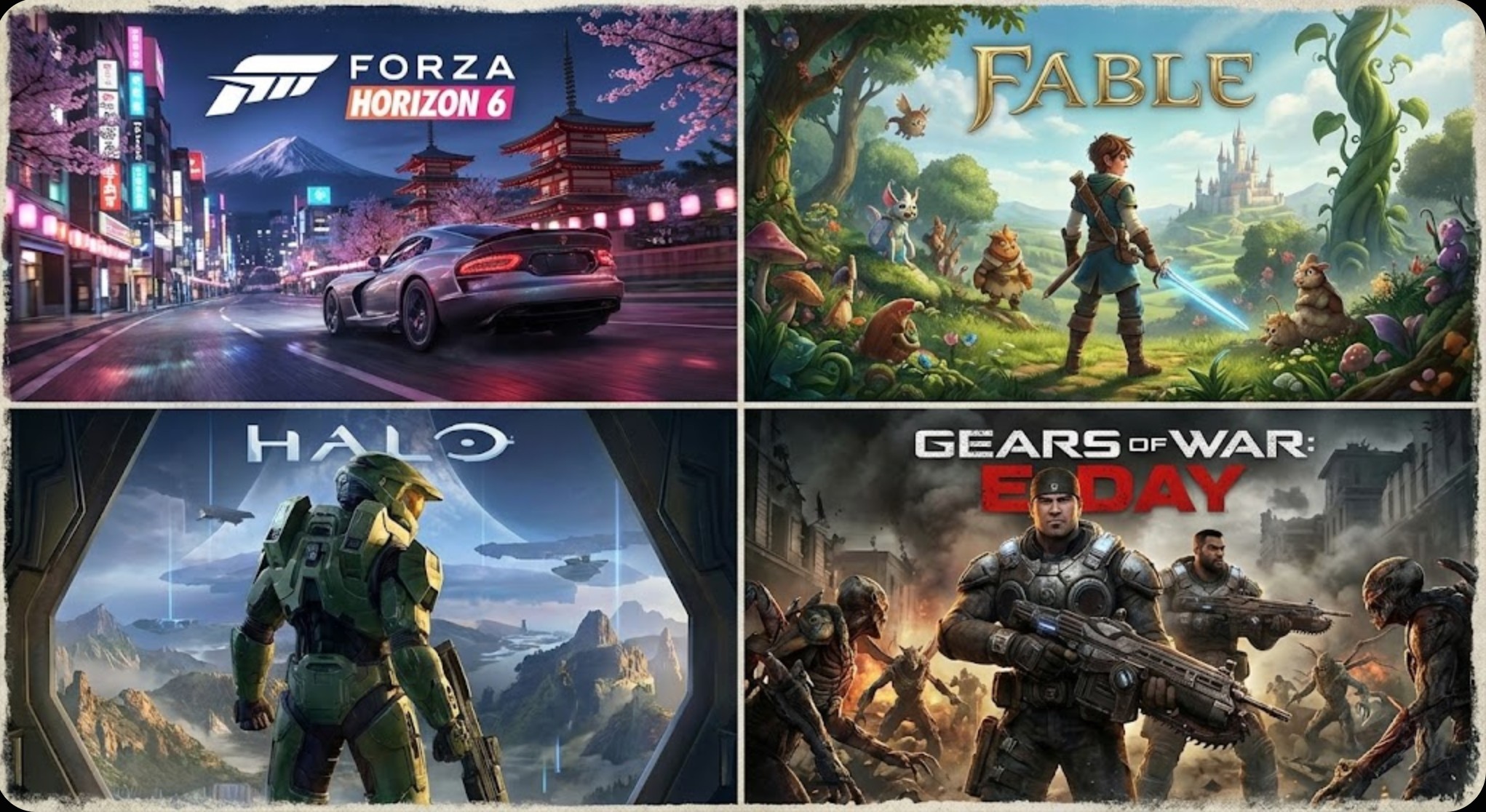
- Forza Horizon 6: Confirmed for May 19, 2026. A pillar franchise that must demonstrate technical mastery.
- Fable: Scheduled for Autumn 2026. The long-awaited revival of a legacy RPG.
- Halo: Campaign Evolved: Gameplay reveal in 2025 with a 2026 Launch. Rumored to be a massive engine rework of the franchise’s roots.
- Gears of War: E-Day: Expected in 2026, promising a return to the gritty, "renegade spirit" of the original trilogy.
While Sharma talks about consoles, the hardware's future remains ambiguous. Major Nelson (Larry Hryb) recently suggested a "fourth commitment" to players—maintaining the soul of the hardware—to which Sharma responded, "You got it."
Internal testing for "next-gen features" is underway for a 2027 release, but the pressure is on. Will it be a bespoke, high-end console, or will the "AI First" CEO pivot to a device that is essentially a dedicated Copilot box?
Microsoft Gaming is at its most volatile inflection point since the launch of the original Xbox. By appointing an AI architect as CEO, Satya Nadella has signaled that he values platform efficiency and technological future-proofing over traditional industry sentiment.
The success of this regime change depends on one factor: whether AI amplifies or replaces human craft. Can a leader who helped scale the world’s most advanced AI models learn to protect the fragile, human "magic" that makes a game more than just code? The answer will define the next 25 years of play.