The TL;DR
Twitch finally allowing multi-streaming came with a massive catch, small streamers like Gigguk and Nutty are the first to be punished. The platform is now strictly enforcing a ban on merged chat overlays. This “silent crackdown” is forcing streamers to choose between breaking TOS or alienating their viewers.
One of the most controversial issues right now is how platforms manage the creators who refuse to stay exclusive to one. Twitch opened the gates a while ago by officially allowing creators to broadcast to multiple platforms at once. But the fine print attached to that freedom is starting to bite. The recent enforcement of the simulcasting guidelines is catching massive creators off guard.
The Gigguk Incident: A Wake-Up Call
Let’s look at what recently happened to Garnt “Gigguk” Maneetapho. Gigguk is a massive figure in the anime community, both on his main channel and as a co-host of the Trash Taste podcast. While he broadcasts less frequently than his video upload schedule, he easily pulls thousands of live viewers when he does go live. During a recent broadcast titled “Playing Honkai: Star Rail 4.0 | Full Gameplay Reaction [No Spoilers!],” Gigguk was hit with a formal notice.
He addressed his audience directly, explaining that he got in trouble with the platform. According to Gigguk, he received a warning stating that combining chats from different platforms violates the terms of service. He was told that if he continued to broadcast to multiple destinations, he had to keep the chats separate. His reaction was a mix of compliance and humor, jokingly telling his audience that they had to sit in opposite corners and stop interacting with each other. He acknowledged the warning and confirmed he would keep doing his multi-platform broadcasts, just with isolated chats.
When a creator of Gigguk’s size gets a formal warning, it sends a ripple through the community. It proves the platform is actively monitoring and enforcing a rule that many assumed was just legal padding.
Wait, Didn’t Twitch Allow Multi-Streaming? (The Rules Explained)
To understand why this is happening, we have to look at the exact rules governing the current streaming ecosystem. For years, the platform had a strict exclusivity clause, particularly for Affiliates and Partners. That ban was highly criticized, and the rise of competitor platforms eventually forced a policy reversal. Simulcasting is now officially allowed for almost everyone. But that allowance came with very specific, non-negotiable restrictions.
- No Outward Linking: You cannot point your viewers to other broadcasts you have going on at the same time. You cannot tell your audience, “Hey, I’m also live on YouTube. You should go watch me there.”. You are allowed to have links to your other profiles in your ‘About’ section, but actively directing live traffic away from the site during the broadcast is a violation.
- Quality Parity: The quality of the video feed must be equal or superior to the other platforms. You cannot purposefully lower the bitrate or shrink the video size to drive viewers to a better experience elsewhere.
- No Combined Activity: The third and most controversial rule—the one that tripped up Gigguk—is the ban on merged chat overlays. The official wording dictates that creators do not use third-party services that combine activity from other platforms on the stream during a simulcast, such as merging chat. The stated reason for this is to ensure the community is included in the entirety of the experience. You must prioritize the native chat visually.
The “Why” Behind the Ban: Moderation Nightmare vs. Petty Protectionism
The official reasoning—ensuring the community is included in the entirety of the experience—is widely mocked by creators and viewers alike. Many argue that separating the audience does the exact opposite. By not combining the text on screen, audiences are siloed off and cannot interact with people watching on other websites. Merging them makes everyone feel included in the same conversation.
So why does this rule actually exist? The consensus points directly to moderation and liability.
If a viewer on a competing site types a message that violates the terms of service, there is no way for the primary platform to moderate that message natively. They cannot ban a user account from a different website. If a creator displays a merged overlay, and a viewer from a less heavily moderated site drops hate speech, slurs, or highly illegal content into the feed, that content is now permanently burned into the broadcast and the VOD.
The platform then finds itself hosting violating content that it cannot easily scrub or control through its own moderation tools. It diminishes their ability to utilize the content safely and creates a massive headache for brand safety. By banning the on-screen display of external messages entirely, they absolve themselves of that specific liability. If you show it, you break the rules, and the liability falls entirely on you.
The Creator Pushback and The Suspension Escalation
This logic might make sense from a corporate liability standpoint, but it creates a terrible user experience. Creators are feeling the squeeze.
Valkyrae, who streams natively on YouTube but maintains a massive presence across the industry, has spoken out about this exact limitation. After being named the third most-watched female streamer of Q1 2025, she highlighted this hurdle. She noted that while the multi-platform experience has been great, the inability to show a unified chat on screen is a major issue. Because she can only show the Twitch chat to comply with the rules, her YouTube audience constantly complains and questions if she is even reading their messages. She openly stated that it would be incredibly convenient to show both combined in her broadcasting software, as the separation causes constant confusion.
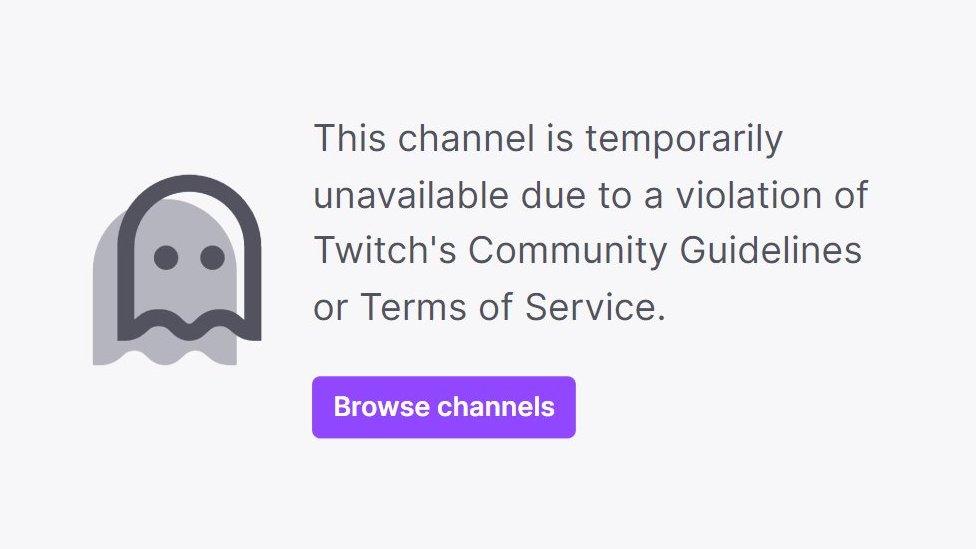
And the enforcement is escalating. It is not just warnings anymore. A well-known technical creator named Nutty recently received a 24-hour suspension specifically for violating these simulcasting guidelines. He called the guidelines unbelievably stupid, pointing out that by the strict wording of the rules, acknowledging other platforms at all excludes the native community.
When creators are actively suspended for trying to foster a unified community across the internet, the relationship between the platform and the creator turns antagonistic. It feels less like a platform protecting its users and more like a platform trying to maintain a walled garden.
The Hypocrisy
One of the most frequent counter-arguments brought up by the community is the handling of in-game text. If the primary concern is the inability to moderate external text, how is a merged overlay any different than a streamer playing a multiplayer game with an open text box?
Games like World of Warcraft or Call of Duty have notorious, unfiltered in-game communications. The platform cannot moderate what a random player types in a video game lobby. Yet, creators are not handed blanket warnings just for having the game’s user interface visible on screen. They are expected to moderate their own broadcasts and cover the game text if it gets out of hand.
If creators are trusted to manage the risk of in-game communication, many wonder why they are not trusted to manage their own YouTube or Kick communities. The disparity leads many to believe the rule is not just about safety, but about subtly punishing those who refuse to stay exclusive. It operates as a business tactic designed to make broadcasting to multiple destinations as annoying and frictionless as possible, encouraging creators to eventually give up and focus on one primary location.
How Creators Are Adapting: The Workarounds
Despite the friction, the financial and audience growth incentives for broadcasting everywhere are too large to ignore. Creators are finding ways to adapt, even if the solutions are clunky.
- Backend Integration (The Private Multichat): While you cannot display the combined feed on your public broadcast, you are allowed to view it privately. Services like Restream and Meld Studio offer robust backend tools that combine all incoming messages into one easy-to-read window for the creator. You can monitor everything on a second monitor without violating the terms of service. This solves the creator’s problem but still leaves the audience in the dark.
- The “Verbal Acknowledgment” Method: To combat the confusion of answering questions that half the audience cannot see, many creators have adopted a specific verbal cadence. Instead of just answering a question, they will say, “User123 on YouTube asks...”. This provides context to everyone watching, regardless of where they are. However, it slows down the natural flow of conversation and constantly reminds the audience that the creator is active elsewhere—which paradoxically might drive viewers away to check out the other site.
How This Affects Viewers
From a viewer’s perspective, watching a multi-platform broadcast without a unified on-screen text feed can be a jarring experience. As one viewer noted, watching someone who is multistreaming without seeing both feeds is like hanging out with someone who is constantly talking on the phone to someone else.
When a chat moves quickly, and the creator answers a question that isn’t on the screen, viewers waste time scrolling up trying to find a message that doesn’t exist. It creates a disjointed viewing experience. The broadcast feels less like an interactive community hangout and more like a one-sided radio show where the host is taking calls you cannot hear. It alienates the exact community the platform claims it is trying to protect.
Will these Rules Change?
The streaming ecosystem is a delicate balance of power between platforms, creators, and viewers. Right now, the dominant platform holds the cards and is choosing to enforce its terms of service strictly. By issuing warnings to massive figures like Gigguk and handing down suspensions to creators like Nutty, they are drawing a hard line in the sand.
They are effectively saying: You can use our bandwidth to reach our audience while broadcasting elsewhere, but you will play by our specific visual rules.
For the influencer and streaming news space, this is a fascinating tension to monitor. Will the constant complaints from top creators force another policy update? Or will creators simply accept this clunky, fragmented audience experience as the permanent cost of doing business across the modern internet?
For now, if you are a creator pushing your signal to YouTube, Twitch, and beyond, the message is clear. Keep your communities visually separated, invest in a good backend moderation tool, and get used to reading usernames out loud. The era of the beautifully integrated, unified multi-platform stream overlay is, at least according to the current terms of service, strictly forbidden.